Advanced Health Solutions
  • Medical Services
    • Pain Management Clinics
    • Primary Care
    • Chiropractic Care
    • Physical Therapy
    • Weight Loss Clinic
    • Personal Injury Care
    • Regenerative Medicine
    • Hormone Replacement Therapy
  • Condition Treated
    • Lower Back Pain
    • Peripheral Neuropathy
    • Neck Pain
    • Spinal Stenosis
    • Herniated Disc
    • Sciatica Leg Pain
    • Migraine and Headache
    • Auto Accident
    • Fibromyalgia
    • Work Injury
  • Find Doctor
  • Resources
    • About Us
    • The Providers
    • FAQs
    • Blog
    • Testimonials
  • New Patient
    • Patient Portal
    • Pay My Bill
    • Patient Forms
  • Contact Us
  • EN
    • EN
    • ES
call for appointment 770-926-9495
Phone
Advanced Health Solutions


Medical Clinic Georgia

  • Allergy Tests
  • Automobile Accidents
  • Back Pain
  • Carpal Tunnel Syndrome
  • Cervical Radiculopathy
  • Cervical Spinal Decompression
  • Concussion
  • Cosmetic Injections and Fillers
  • Degenerative Disc Disease
  • Fibromyalgia Pain
  • Functional Medicine
  • Herniated Disc
  • Herniated Disc Information
  • Hip Bursitis
  • Hormone Replacement Therapy – BioTE
  • IDD Therapy
  • IV Therapy (Meyers Cocktail)
  • K Laser Therapy
  • Knee Pain
  • Lower Back Pain
  • Lumbar Spinal Decompression
  • Massage Therapy
  • Medial Epicondylitis
  • Medical Weight Loss
  • Mesotherapy
  • Neck Pain
  • Peripheral Neuropathy
  • PiezoWave Pain Treatment
  • Pinched Nerve
  • Piriformis Syndrome
  • Plantar Fasciitis
  • Pregnancy Issues
  • Primary Care
  • Primary Care Pain Management
  • PRP Therapy
  • Rotator Cuff Tears
  • Sciatica Pain
  • Scoliosis
  • Semaglutide for weight loss
  • Shoulder Impingement Syndrome
  • Sports Massage Therapy
  • SUPARTZ® Joint Fluid Therapy
  • Tension Headaches
  • Tesla Max Therapy
  • Trigeminal Neuralgia
  • Trigger Point Injections
  • Vertigo
  • Whiplash
  • Whiplash Clinic

Primary Care Physicians

Primary Care Physician Services

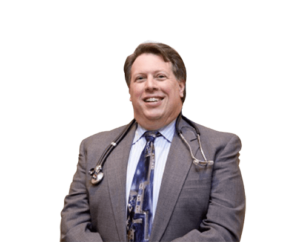
Enjoy a better quality of life by utilizing our Primary Care Physician Dr. Thomas Federico, MD

Primary care physicians are the foundation of healthcare, offering comprehensive and continuous care to patients of all ages, promoting overall wellness, managing chronic conditions, and coordinating specialized care when necessary.


Table of Contents

  • Primary Care Physicians
  • Primary Care Physician Services
  • What Does a Primary Care Physician Do?
  • What Conditions Do Primary Care Doctors Treat?
  • Reasons to See a Primary Care Physician
  • What to Expect at a Visit With Your Primary Care Physician
  • Fast Easy Financing


Thought for 4s

Here is the final updated code for this section with the headings aligned to the structure we discussed:
What Does a Primary Care Physician Do?

Primary Care physician dr federico MD at Advanced Health Care Woodstock GAA primary care physician, also known as a general practitioner or family doctor, plays a crucial role in healthcare. They are typically the first point of contact for patients seeking medical care. The physicians are trained to provide comprehensive care for a wide range of health issues, including preventive care, diagnosis, treatment, and management of various conditions.

The doctors perform routine check-ups, physical examinations, and screenings to assess overall health and detect any potential issues. They also manage chronic conditions, such as diabetes, hypertension, and asthma, by prescribing medications, monitoring progress, and providing necessary referrals to specialists when needed.

Additionally, they provide counseling on lifestyle modifications, such as diet, exercise, and stress management. They educate patients on preventive measures, vaccinations, and health screenings. They also address acute illnesses, injuries, and minor surgical procedures.

In summary, primary care physicians are the foundation of healthcare, offering comprehensive and continuous care to patients of all ages, promoting overall wellness, managing chronic conditions, and coordinating specialized care when necessary.

What Conditions Do Primary Care Doctors Treat?

Primary care physicians are trained to treat a wide range of health conditions. Some common conditions that they often address include:

  1. Respiratory infections: They can diagnose and treat common respiratory infections such as the common cold, flu, bronchitis, and sinusitis.
  2. Chronic diseases: They manage chronic conditions like diabetes, hypertension (high blood pressure), asthma, and COPD (chronic obstructive pulmonary disease).
  3. Mental health concerns: Our doctors can assist with mental health conditions like anxiety, depression, and stress-related disorders. They can provide initial evaluations, prescribe medication if necessary, and offer referrals to mental health specialists.
  4. Digestive issues: They can help diagnose and manage gastrointestinal conditions like acid reflux, irritable bowel syndrome (IBS), and gastroenteritis.
  5. Skin conditions: Primary care physicians often handle common skin issues such as acne, eczema, rashes, and minor skin infections.
  6. Musculoskeletal problems: They can diagnose and treat musculoskeletal conditions like back pain, joint pain, sprains, and strains. They may also provide referrals for specialized care or physical therapy.
  7. Women’s health: Additionally offer routine gynecological care, including Pap smears, breast exams, and contraception management. They can also address common women’s health issues like menstrual irregularities and menopause symptoms.
  8. Men’s health: They provide general healthcare services to men, including screening for prostate cancer, addressing erectile dysfunction, and managing conditions like testosterone deficiency.

These are just a few examples, and we are equipped to address a wide range of health concerns. If needed, they can refer patients to specialists for further evaluation and treatment.

Reasons to See a Primary Care Physician

There are several reasons why it is important to see a primary care physician regularly. Here are some key reasons:

  1. Preventive Care: Primary care physicians focus on preventive care, which involves routine check-ups, screenings, and vaccinations. Regular visits allow them to monitor your overall health, detect any potential issues early on, and provide guidance on maintaining a healthy lifestyle.
  2. General Health Concerns: Whether you have a minor illness, such as a cold or flu, or are experiencing symptoms that you are unsure about, a primary care physician can evaluate your condition, provide a diagnosis, and recommend appropriate treatment.
  3. Chronic Disease Management: If you have a chronic condition like diabetes, hypertension, or asthma, a primary care physician can help manage your condition, prescribe necessary medications, and monitor your progress over time. They can also coordinate with specialists and ensure you receive comprehensive care.
  4. Referrals to Specialists: If you require specialized care for a specific condition, a primary care physician can provide referrals to appropriate specialists. They can help coordinate your care and ensure all your healthcare providers are working together to address your needs.
  5. Mental Health Support: Primary care physicians can address common mental health concerns, such as anxiety and depression. They can provide initial evaluations, offer counseling or therapy, and prescribe medications if necessary. They can also connect you with mental health specialists for more specialized care.
  6. Health Education and Counseling: Primary care physicians can provide valuable information and guidance on various health topics. They can offer advice on healthy lifestyle choices, diet, exercise, and stress management. They can also address questions and concerns you may have about your health.
  7. Continuity of Care: Building a long-term relationship with a primary care physician ensures continuity of care. They become familiar with your medical history, understand your individual needs, and can provide personalized care tailored to you.

Remember, it is important to see a primary care physician regularly, even if you are generally healthy. They play a vital role in maintaining your overall health and well-being.

What to Expect at a Visit With Your Primary Care Physician

During a visit with a primary care physician, here’s what you can generally expect:

  1. Check-in and Vital Signs: You will typically start by checking in at the reception desk. They may ask you to provide any necessary paperwork or insurance information. Afterward, a nurse or medical assistant will measure your vital signs, such as your blood pressure, heart rate, and temperature.
  2. Medical History Review: Your primary care physician will review your medical history, including any previous illnesses, surgeries, medications, or allergies. It’s helpful to provide accurate and detailed information to ensure comprehensive care.
  3. Discussion of Current Concerns: You will have the opportunity to discuss any current health concerns, symptoms, or changes in your condition. Be prepared to explain your symptoms, their duration, and any factors that may have influenced them.
  4. Physical Examination: Depending on your reason for the visit, your primary care physician may perform a physical examination. This may involve checking your heart and lungs with a stethoscope, examining your abdomen, checking reflexes, and examining any specific areas related to your concerns.
  5. Screening and Preventive Care: Primary care physicians emphasize preventive care. They may discuss and perform screenings, such as blood tests, cholesterol checks, mammograms, Pap smears, or colonoscopies, depending on your age, gender, and medical history. They may also discuss vaccinations or provide any necessary immunizations.
  6. Diagnosis and Treatment: Based on your symptoms, medical history, and examination, your primary care physician will provide a diagnosis and recommend appropriate treatment. They may prescribe medications, suggest lifestyle changes, or offer referrals to specialists if needed.
  7. Health Education and Counseling: Primary care physicians focus on patient education. They may provide information on maintaining a healthy lifestyle, managing chronic conditions, or addressing specific health concerns. They can answer your questions and offer guidance on topics like nutrition, exercise, stress management, and preventive measures.
  8. Follow-up and Next Steps: Before concluding the visit, your primary care physician will discuss any necessary follow-up appointments, tests, or referrals. They may also schedule routine check-ups or screenings based on your age and health status.

Remember, every visit may vary based on your specific needs and concerns. It’s essential to communicate openly and honestly with your primary care physician to ensure comprehensive and personalized care.


 

Follow Us
  • Facebook
  • twitter [#154] Created with Sketch. Twitter
  • Instagram Icon Instagram
  • Phone
    (770) 926-9495
  • Email
    referrals@ahsdoctors.com
Book Now Arrow Icon
13190 Highway 92, Suite 70
Woodstock, GA 30188
Advanced Health Solutions Logo

© 2026 Advanced Health Solutions. All Rights Reserved. Sitemap

Personal Injury
Close
Accident & Injury Form

We are a Multidisciplinary Clinic with over 75 years of Combined Experience

This field is for validation purposes and should be left unchanged.
Name(Required)