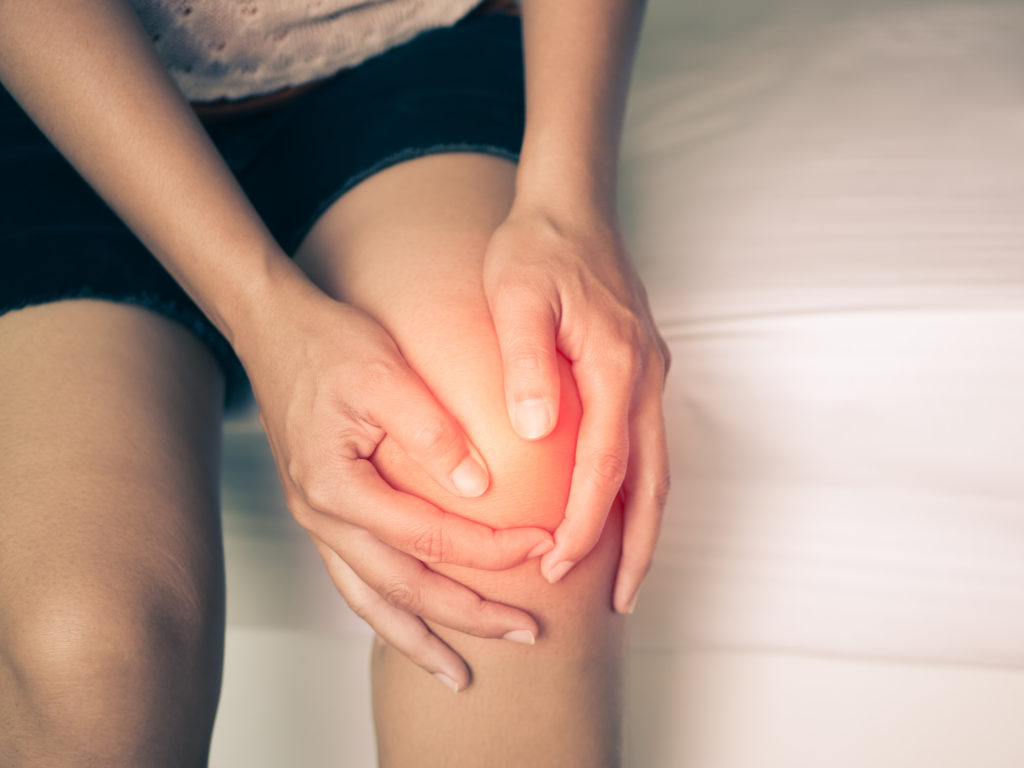
Chronic knee pain is influenced by a variety of risk factors that can either contribute to the development of knee pain or exacerbate existing conditions. Understanding these risk factors is essential for both prevention and effective management of chronic knee pain.
Age
As we age, the likelihood of developing chronic knee pain increases. This is primarily due to the natural wear and tear of the knee joint over time.
Osteoarthritis Development
The cartilage that cushions the knee joint can deteriorate with age, leading to conditions like osteoarthritis. This causes pain, stiffness, and reduced mobility, all of which are common in older adults.
Obesity
Carrying excess body weight places additional stress on the knee joints, particularly during activities like walking, running, or climbing stairs.
Impact on Joint Health
This extra pressure can accelerate the degeneration of cartilage, leading to chronic pain and increasing the risk of osteoarthritis. Maintaining a healthy weight is crucial for reducing this risk.
Previous Knee Injuries
A history of knee injuries, such as ligament tears, fractures, or meniscus damage, can lead to long-term knee pain.
Long-term Effects
These injuries can cause instability in the knee joint, making it more susceptible to further damage and chronic pain. Proper rehabilitation and care after an injury are essential to prevent chronic issues.
Overuse and Repetitive Motion
Engaging in activities that involve repetitive knee movements, such as running, jumping, or certain occupational tasks, can lead to overuse injuries.
Common Overuse Conditions
Over time, these repetitive motions can cause inflammation, tendinitis, or bursitis, contributing to chronic knee pain. Balancing activity with adequate rest and proper technique is key to preventing these conditions.
Muscle Imbalance or Weakness
Muscle imbalances or weakness around the knee joint can lead to improper joint mechanics, increasing the risk of chronic knee pain.
Role of Strengthening Exercises
For example, weak quadriceps or hamstrings can cause the knee joint to move incorrectly, leading to strain and pain. Strengthening these muscles can improve joint stability and function.
Genetics
A family history of knee conditions, such as osteoarthritis, can increase an individual’s risk of developing chronic knee pain.
Genetic Predispositions
Genetic factors may influence the strength and resilience of cartilage, ligaments, and tendons, making some people more prone to knee problems. While genetics can’t be changed, awareness can lead to early intervention.
Lack of Flexibility and Joint Mobility
Limited flexibility or reduced joint mobility can increase the likelihood of developing chronic knee pain.
Importance of Flexibility
Tight muscles, tendons, or ligaments around the knee can limit the joint’s range of motion, leading to compensatory movements that strain the knee. Regular stretching and flexibility exercises can help maintain joint health.
Occupational Hazards
Certain occupations that require prolonged kneeling, squatting, or heavy lifting can increase the risk of knee injuries and chronic pain.
Preventing Work-related Knee Pain
Repetitive stress on the knee joint from these activities can lead to inflammation and degeneration over time. Using proper techniques and ergonomic tools can reduce the risk of knee pain in the workplace.
Managing and Reducing Risk Factors
While some risk factors, such as age or genetics, cannot be controlled, others can be managed to reduce the risk of developing chronic knee pain:
Weight Management
Maintaining a healthy weight can reduce the stress on your knees and prevent or alleviate chronic knee pain.
Exercise and Strength Training
Strengthening the muscles around the knee can improve joint stability and reduce the risk of injury. Focus on exercises that build the quadriceps, hamstrings, and calf muscles.
Proper Technique and Ergonomics
Using correct techniques during physical activities and at work can help prevent overuse injuries. This includes learning proper lifting techniques and ensuring your workstation is ergonomically designed.
Flexibility Exercises
Stretching exercises can improve flexibility and joint mobility, reducing the risk of strain and promoting overall knee health.
Understanding and addressing these risk factors can help prevent chronic knee pain or manage existing conditions more effectively, improving overall knee health and quality of life.
Lack of Muscle Flexibility or Strength – A lack of strength and flexibility can increase the risk of knee injuries. Strong muscles help stabilize and protect your joints, and muscle flexibility can help you achieve a full range of motion. Contact Advanced Health Solutions – GA Spine & Disc today at (770) 926-9495 For effective treatment and management of knee pain.