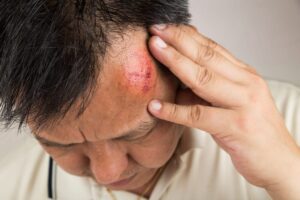
Understanding What Concussion Tests Measure
Concussions are a form of traumatic brain injury that can have serious implications if not properly diagnosed and managed. Concussion tests are critical tools used by healthcare professionals to evaluate brain function following a head injury. These tests measure various cognitive, physical, and neurological functions to determine the severity of a concussion and guide treatment decisions. In this article, we will explore what concussion tests measure and why these measurements are essential for effective concussion management.
Cognitive Function Assessment
One of the primary areas measured by concussion tests is cognitive function, which includes memory, attention, and problem-solving abilities. Cognitive assessments help determine how well the brain is processing information after an injury. Common cognitive tests include:
- Immediate Post-Concussion Assessment and Cognitive Testing (ImPACT): A computerized test that measures cognitive skills like attention span, working memory, and reaction time. It is commonly used in sports settings to establish a baseline and assess post-injury performance.
- Standardized Assessment of Concussion (SAC): This test evaluates orientation, immediate memory, concentration, and delayed recall.
- Montreal Cognitive Assessment (MoCA): A more comprehensive test that assesses various cognitive domains, including executive function and visuospatial abilities.
These tests are crucial for identifying cognitive impairments that might not be immediately apparent but could impact daily activities and overall brain health. Learn more about cognitive function and its importance in brain health.
Balance and Coordination Evaluation
Balance and coordination are often affected by a concussion, making these important areas to assess. Tests that measure balance and coordination help determine the extent to which the brain’s motor functions have been impacted. Common tests include:
- Balance Error Scoring System (BESS): This test involves standing in different stances on various surfaces to assess balance stability.
- Romberg Test: A simple test where the patient stands with feet together and eyes closed to evaluate balance.
- Tandem Gait Test: This test involves walking heel-to-toe in a straight line, which can reveal issues with coordination and balance.
These assessments are particularly important because impaired balance can increase the risk of falls and further injury. Learn more about balance and coordination and their role in physical health.
Reaction Time Measurement
Reaction time is another critical aspect measured in concussion tests. Concussions can slow down the brain’s ability to process information and respond to stimuli, which is why reaction time tests are essential. These tests may include:
- Computerized Reaction Time Tests: These involve responding to visual or auditory stimuli on a computer screen to measure how quickly the brain can react.
- Manual Reaction Time Tests: Simple tests like catching a ruler dropped without warning can also help measure reaction speed.
Delayed reaction times can indicate ongoing cognitive impairment and the need for further rest or treatment before returning to normal activities. Discover more about reaction time and its significance in neurological assessments.
Memory Function Tests
Memory is often affected by a concussion, and memory tests are a key component of concussion assessments. These tests evaluate both short-term and long-term memory and help determine the extent of memory impairment caused by the injury. Common memory tests include:
- Immediate Memory Recall: The patient is asked to recall a list of words or objects immediately after hearing them.
- Delayed Recall: After a short delay, the patient is asked to remember the same list, testing memory retention.
- Verbal Learning and Memory Tests: These tests assess both the ability to learn new information and recall it after a delay.
Memory function is crucial for daily activities, and impairments can significantly impact a person’s ability to function normally. Learn more about memory and how it is evaluated in concussion tests.
Neuropsychological Testing
In some cases, more comprehensive neuropsychological testing may be used to assess a range of cognitive functions in greater detail. These tests provide a broader understanding of how the concussion has affected the brain and can guide more tailored treatment plans. Neuropsychological testing is often used alongside other concussion assessments to ensure a complete evaluation. Learn more about neuropsychological testing.
The Importance of Baseline Testing
Baseline testing is conducted before any injury occurs to establish a reference point for an individual’s normal brain function. This baseline is then used for comparison if a concussion is suspected, helping to identify changes in cognitive function, balance, reaction time, and memory. Baseline testing is especially common in sports settings where athletes are at higher risk for concussions.
Conclusion: The Critical Role of Concussion Tests
Concussion tests are essential for accurately diagnosing and managing concussions. By measuring cognitive function, balance, reaction time, and memory, these tests provide valuable insights into the extent of brain injury and guide appropriate treatment plans. If you or someone you know has suffered a head injury, it is crucial to seek medical attention and undergo concussion testing to ensure a safe and effective recovery. For more information or to schedule an appointment, contact us at (770) 926-9495 or visit our contact page.
Concussion tests can measure subtle aspects of brain function, such as visual or auditory (hearing) perception and response speed. These abilities can be impaired due to the damage of a concussion. Visit Advanced Health Solutions – GA Spine & Disc today at (770) 926-9495 for high-quality, comprehensive concussion testing Woodstock GA.